The Accessibility Asset You Already Have
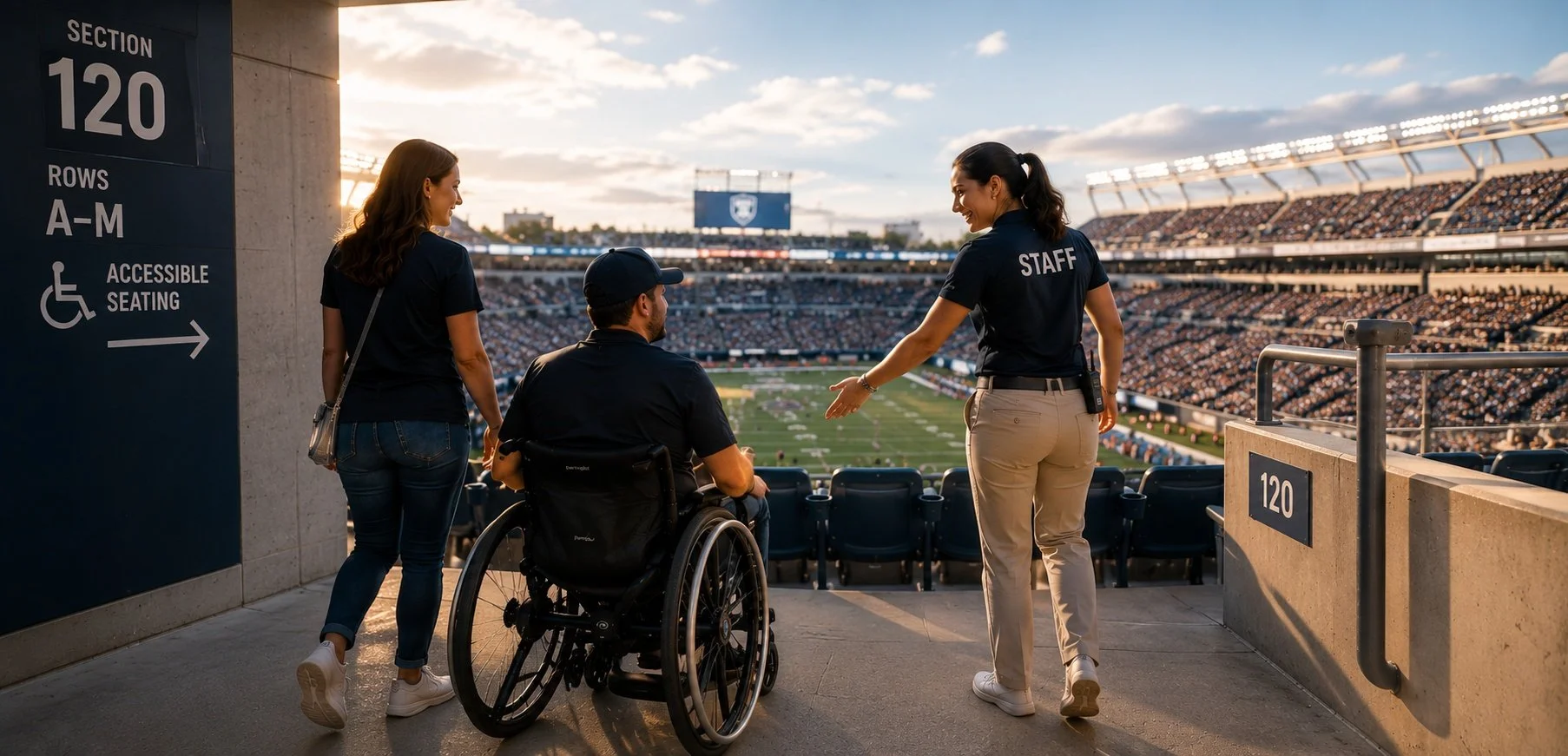
One of the most valuable accessibility assets at any venue isn’t physical at all. It's not part of the venue architecture. It's not an added physical feature, and it's not an ADA requirement. It’s a knowledgeable staff member who knows how to help.
Every interaction between a fan and a staff member has the potential to either reinforce confidence or reduce it.
I’ve experienced firsthand how a single staff interaction can leave me feeling confident and welcomed. I’ve also experienced how inconsistent information and a lack of staff training can turn that confidence into frustration and tension.
Staff Can Be a Barrier
One experience I’ve had that caused frustration rather than confidence involved inconsistent guidance from staff regarding accessible seating.
I wanted to attend a game, so I called the ticket office in advance to understand the process. The representative told me there weren’t any accessible tickets available to purchase, but assured me it wasn’t a problem. “Just buy a standard ticket,” they explained. “Get to the stadium early and stop by the box office. They’ll exchange your tickets for accessible seating.”
It sounded simple enough in the moment, but after hanging up questions flooded my mind.
What if there aren’t any accessible seats available when I get there?
If they are available, why can’t I buy them now?
How can I plan to sit with my companions if I don’t even know where I’ll be sitting?
Despite those concerns, I trusted the process.
When I arrived on game day, I hurried from my car to the box office and confidently told the staff, “I’m here to exchange my tickets for wheelchair accessible seating.” The staff member behind the window immediately looked confused. They asked me to wait a moment while they discussed the situation. I looked at my wife and gave a half smile, “This doesn’t seem good.” They came back and told me that exchanging tickets wasn’t actually their procedure. I explained that this was exactly what I had been instructed to do when I called the ticket office weeks ago. That’s when my confidence started to disappear and a wave of tension rushed through me.
I thought I was prepared. Now I felt uncertain.
Was I even going to be able to get an accessible seat now? Had I driven all this way only to discover I'd been given incorrect information?
Enjoying the game seemed like an afterthought in the current moment.
The box office staff then directed me to go inside and find an usher near the accessible seating and they would, “take care of me.”
Inside the stadium, and with less confidence now, I again explained my situation. The staff member looked even more confused than the first. They told me they weren’t sure how to seat me because I didn’t have an accessible ticket. After talking with a few more staff members in the adjacent areas, they finally pointed me toward an open wheelchair space. “You can sit here for now,” they said. “But if someone shows up, we’ll probably have to move you.”
At that moment, I wasn’t thinking about the game anymore. I was wondering whether someone was going to tap me on the shoulder during the game and tell me I was sitting in the wrong place.
Each interaction slowly chipped away at my confidence. I started the day feeling prepared. Then I became uncertain. Then confused. Then defensive. By the time I reached my seat, I was tense.
Looking back, what stayed with me wasn't the ticket exchange process. It was how quickly my confidence changed. I started the day believing everything had been planned. By the time I reached my seat, I was questioning whether I even belonged there. None of that happened because of the facility. It happened because every interaction gave me a different answer. In this instance, rather than being an asset to accessibility, they became a barrier.
Staff Can Be an Asset
While my experience involved accessible seating, the lesson extends far beyond ticketing. Every day, fans rely on staff to answer questions, explain policies, provide directions, distribute accessibility equipment, and solve unexpected problems. When those interactions are consistent, accessibility feels seamless. When they're not, uncertainty quickly replaces confidence.
Every accessibility feature eventually depends on a person.
Someone explains how tickets can be purchased.
Someone shows you where the accessible parking is.
Someone directs fans to the closest accessible entrance.
Someone distributes assistive listening devices.
Someone helps you order food.
Physical accessibility features make access possible. Knowledgeable staff make those features work as intended.
A venue’s staff and each interaction become memorable to fans. Fans may not remember the final score. But they'll remember the staff member who knew exactly how to help.
The most valuable accessibility feature isn't always something you build. Sometimes it's someone you train.
Questions to Consider at Your Venue
If a fan with a disability asked three different staff members the same accessibility question, would they receive the same answer?
How confident are your staff in explaining your venue’s accessibility policies, services, and accommodations?
Which accessibility features at your venue depend on knowledgeable staff to make them work successfully?
Interested in evaluating accessibility through the eyes of your fans?
Access At Ease helps sports venues improve accessibility through accessibility assessments, Accessibility Fan Guides, and staff training that build confidence throughout the fan journey.
About the Author
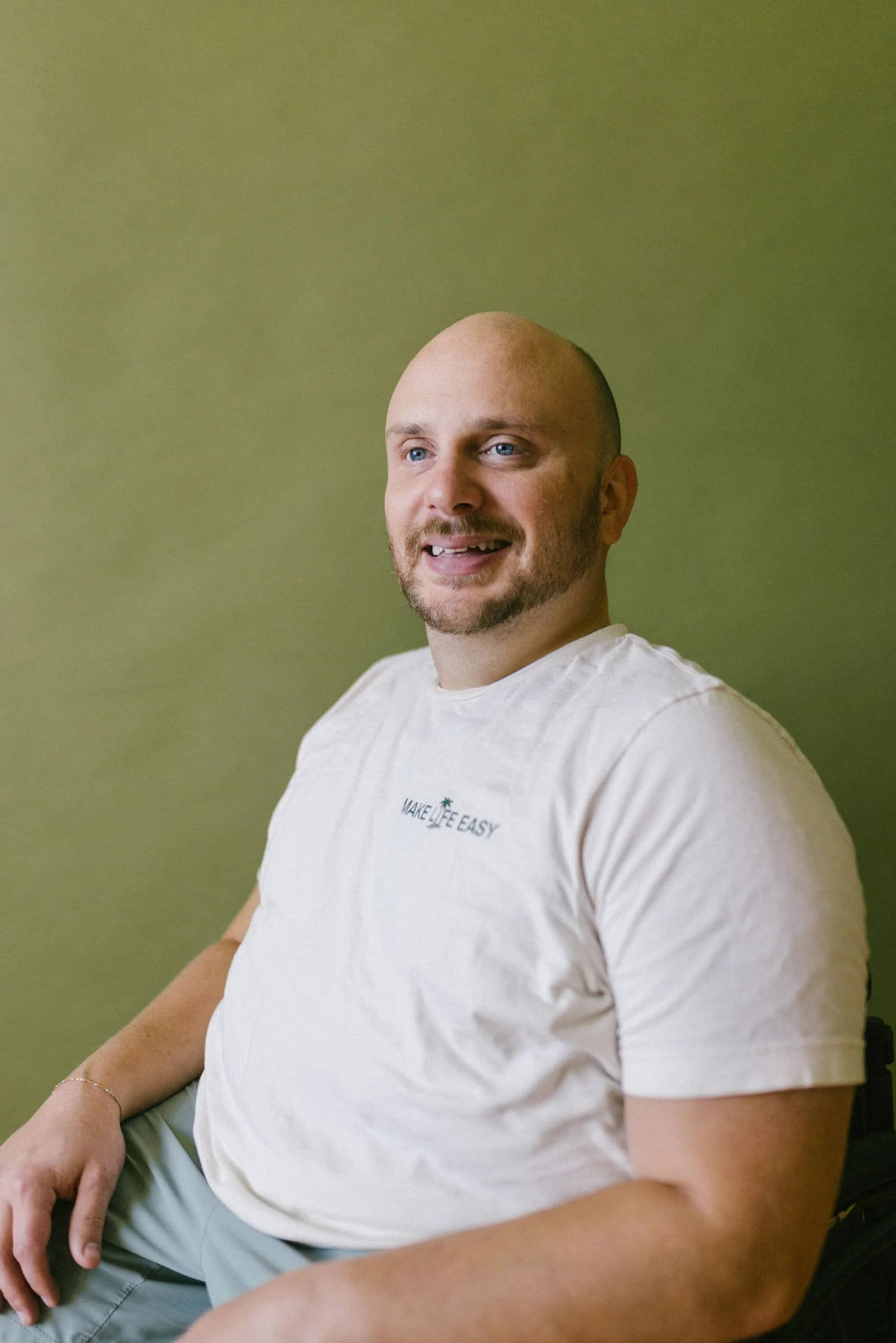
Andy Garbarino is the founder of Access At Ease, an accessibility consulting firm that helps sports venues evaluate accessibility through the eyes of their fans. As a lifelong sports fan and a person with a disability, he combines lived experience with practical recommendations to help venues create more inclusive and confident game-day experiences.