One Experience. Many Departments.
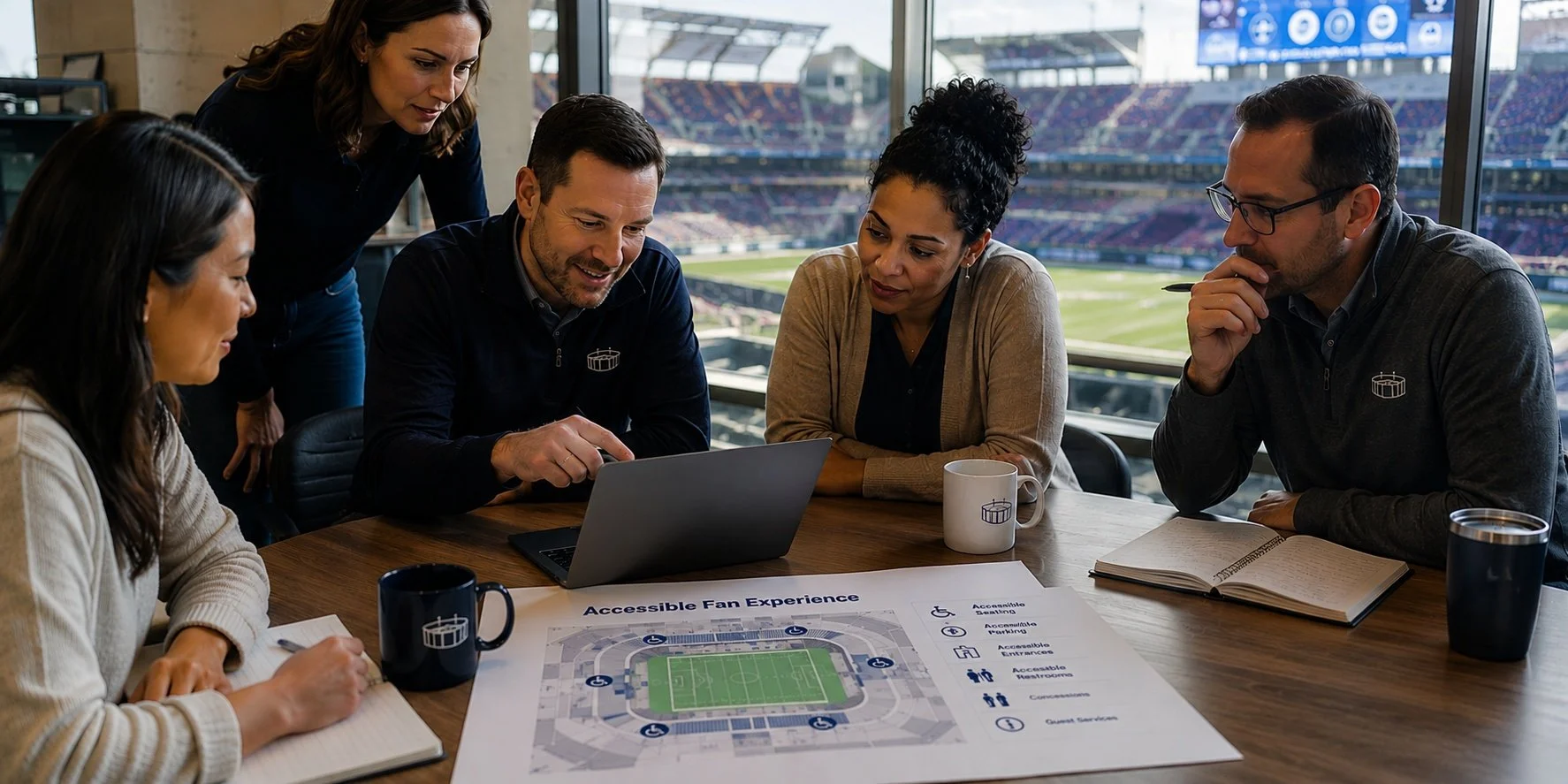
When it comes to accessibility, different members of an athletic department might be wondering, “Is that my job?”
Accessibility is often associated with ADA compliance, accessibility features, or accommodation services. It’s easy to assume that it’s someone else’s responsibility. The reality? Accessibility isn’t one person’s job. It isn’t one department’s responsibility. It’s part of every department’s role because every department contributes to the fan experience. The fan journey is a collection of moments influenced by each department.
Marketing influences the experience by providing accessibility information online to engage fans with disabilities.
Ticketing provides answers to a fan’s initial questions and helps them purchase seats that will meet their needs.
Operations plans accessibility procedures within parking, traffic flow, entrances, and game-day logistics.
Facilities maintain the accessibility features within the physical environment at the venue.
Game Day Staff answer questions, provide directions, and assist fans throughout the course of the game.
Administration sets expectations, allocates resources, and creates a culture where accessibility is woven into the program.
Accessibility isn't a standalone department. It's part of the conversations, planning, and mindset of every department that collectively creates an accessible experience.
Administration
Every successful accessibility initiative begins with the support of strong leadership.
Leadership isn’t responsible for every accessibility decision. But they are responsible for creating an environment where accessibility is everyone’s responsibility. When accessibility becomes part of an organization’s culture rather than simply a compliance obligation, every department begins making decisions with all fans in mind.
In this culture, each department stops wondering if accessibility is their responsibility and instead starts to own their part and influence.
Marketing
Accessibility begins long before fans arrive at the stadium, and Marketing shapes those first impressions.
Fans with disabilities often visit the team’s webpage looking for answers before deciding whether to attend. What barriers could I encounter? What accessible services are available? Will going to a game work for me? Providing clear, easy-to-find accessibility information doesn’t just answer those questions. It tells fans with disabilities that they are thought of, they are welcome. It engages those fans and builds their confidence to attend before game day even begins.
Marketing also tells the story of the athletic department. Accessibility should be part of that story because fans with disabilities are a part of the fan base.
Ticketing
For many fans with disabilities, Ticketing is the first personal interaction they have with the athletic department.
Through these initial interactions they are instilling confidence and reducing uncertainty. They’re not just helping a fan find a seat. They’re helping them find the right seat that works for them. The seats that allow them to sit with their companions.
They’re guiding fans through the planning of their game day.
Facilities
Facilities manage and maintain the physical environment that becomes the path of a fan’s game-day journey. They create the physical environment that allows fans to navigate the venue confidently.
They ensure barrier identification and removal. They ensure accessibility feature installation and upkeep. They ensure compliance.
Facilities provide the foundation that allows the journey to happen successfully.
Operations
Operations connects every part of the fan journey.
Parking is provided and allows for a smooth entry. Signage is appropriate and guides the way. Logistics are planned with accessibility and barrier removal in mind.
Operations turns planning into the game-day experience fans actually have.
Game Day Staff
Even the best-designed venues depend on knowledgeable people.
Knowledgeable staff don’t simply solve problems or provide answers. They reinforce confidence. They reduce uncertainty. One positive interaction can reassure fans that they’re supported. That they are welcome.
They are the accessibility asset that fans will remember most.
One Experience. Many Departments.
Fans don’t experience departments. They experience one game day. But every department contributes to that experience, whether they realize it or not.
When each department understands its role, accessibility becomes more than compliance. It becomes part of the culture, the planning, and every decision that shapes a fan's game day.
That’s why accessibility isn’t one person’s job. It isn’t one department’s responsibility. It’s every department’s responsibility because every department shapes the experience.
Fans remember that experience. Every department helps create the right one.
Questions to Consider at Your Venue
Which departments at your venue actively contribute to accessibility, and which may not realize the role they play?
Are accessibility conversations happening across departments or only when a problem arises?
If each department evaluated accessibility through the eyes of a fan, what would they do differently?
How do your Marketing, Ticketing, Operations, Facilities, and Game Day Staff work together to create one accessible fan experience?
Interested in evaluating accessibility through the eyes of your fans?
Access At Ease helps sports venues improve accessibility through accessibility assessments, Accessibility Fan Guides, and staff training that build confidence throughout the fan journey.
About the Author
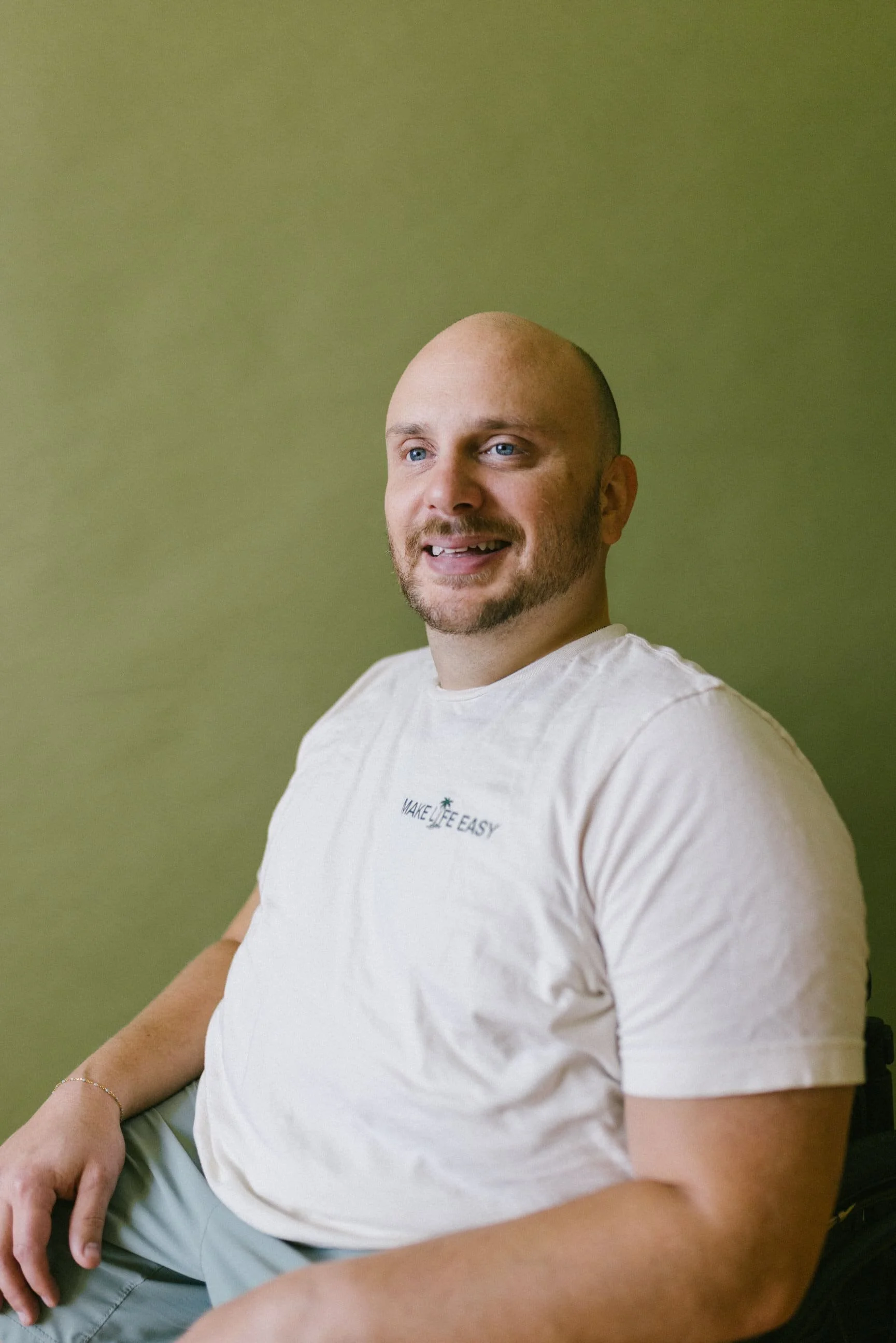
Andy Garbarino is the founder of Access At Ease, an accessibility consulting firm that helps sports venues evaluate accessibility through the eyes of their fans. As a lifelong sports fan and a person with a disability, he combines lived experience with practical recommendations to help venues create more inclusive and confident game-day experiences.